Category Archive: Uncategorized

  1. Mastering Bike Lubrication: Dry vs Wet Lubes Explained

    Leave a Comment

    Introduction

    Ensuring the proper lubrication of your bicycle is crucial to its performance and durability. As an avid cyclist, I appreciate the need for high-quality lubrication to keep my ride running effortlessly.

    In this discussion, we will delve into the distinctions between dry and wet lubricants, examining their makeup, advantages, and drawbacks. This will guide you in deciding which type of lube best suits your specific cycling requirements.

    Exploring the Importance of Suitable Bike Lubrication: A Primer on Dry and Wet Lubricants

    The lubrication of your bike’s drivetrain is a pivotal factor in guaranteeing a seamless and efficient ride. It also wards off premature wear and damage to essential components. There are two primary kinds of bike lubricants to bear in mind: dry and wet lubes.

    Dry lubricants are tailored specifically for dry environments, such as cycling in dusty or sandy landscapes. They commonly comprise a wax or Teflon-based formula that forms a dry, protective layer on your bike chain.

    This dry sheath acts as a shield, diminishing friction and discouraging dirt and debris from adhering to the chain. A notable benefit of dry lubes is their dirt-repelling capability.

    When pedaling through dust-filled environments, the last thing you desire is a chain encrusted with grime. Dry lubes perform exceptionally in this regard, keeping your drivetrain pristine and reducing the wear and tear instigated by abrasive particles. Furthermore, the dry character of these lubes frequently results in a quieter ride, as they don’t gather as much debris.

    Conversely, wet lubricants are a specific kind of lube devised for bikes, especially for the chain and drivetrain parts. They are engineered to deliver superior protection and lubrication, even in damp or muddy conditions.

    Wet lubricants typically possess a greater viscosity than dry lubes, enabling them to cling to surfaces more effectively and resist being rinsed off by water.

    They form a thin film that decreases friction between the moving components, forestalling wear and prolonging the components’ lifespan. Additionally, wet lubes offer a degree of corrosion protection, contributing to the preservation of your bike’s performance and longevity.

    Note: Bike-clothes.com makes use of affiliate relationships with merchants for monetization. Click here to read more.

    Delving Deeper into Dry and Wet Lubricants

    Understanding Dry Lube

    Dry lubricant represents a unique solution specifically crafted for bicycles, providing an alternative perspective compared to wet lubes. Recently, I experimented with a dry lube on my bicycle and it significantly elevated my cycling experience. Dry lube is initially a liquid lubricant that swiftly dries to form a wax-like coating on the bike’s chain and drivetrain.

    One aspect that impresses me about dry lube is its composition. It typically comprises a carrier fluid that rapidly evaporates, leaving behind a thin film of lubricating particles such as Teflon or graphite. This combination significantly reduces friction between the chain links, resulting in a smoother and more efficient ride.

    The application of dry lube is a simple task. I shake the bottle to disperse the particles, then apply a thin coating of the lube onto the chain while rotating the pedals in reverse. After a few moments, the carrier fluid evaporates, leaving behind a dry, lubricating layer.

    The performance I’ve noticed with dry lube is striking. I immediately observed a quieter, smoother ride after its application. This is particularly useful if you frequently cycle in dusty or dry environments.

    Another notable advantage of dry lube is its longevity. Since it doesn’t collect dirt like wet lubes, I found less frequent cleaning and reapplication necessary. This conserved time and effort, allowing me to log more hours on the road.

    However, it’s essential to highlight that dry lube is not suitable for wet or rainy conditions, as it tends to be washed off easily. If you often cycle in damp conditions, wet lube may be a more suitable choice.

    The Optimal Conditions for Dry Lube Usage

    Selecting the appropriate lubricant for your bike can profoundly impact your cycling experience. Having experimented with both dry and wet lubes, I understand the pros and cons of each.

    I predominantly use dry lubricant when cycling in dry and dusty conditions. It maintains a cleaner drivetrain over longer rides, minimizing the need for regular cleaning. The cycling efficiency and smoothness it enables are exceptional.

    However, dry lubrication isn’t without its limitations. It underperforms in wet or rainy conditions, as it tends to be quickly washed away, leaving the chain exposed to increased friction and potential corrosion.

    Pros and Cons of Dry Lube

    Pros

    • Cleanliness
    • Efficiency
    • Longevity
    • Noise Reduction

    Cons

    • Limited Wet Performance
    • Frequent Reapplication
    • Less Protection

    CHECK LATEST PRICE

    Understanding Wet Lube


    Wet lube is a form of bike lubricant specially crafted to withstand damp and muddy conditions, making it a favorite amongst cyclists who frequently encounter such terrains. Unlike its dry counterpart that leaves a wax-like coating, wet lube remains fluid on the chain after application, providing a level of stickiness that helps it endure wet conditions better.

    Its formulation typically consists of thicker, heavier oils that don’t evaporate easily. This unique composition forms a durable film on the chain, reducing friction between the moving components, and offering lasting protection against corrosion and wear.

    Moreover, its inherent stickiness makes it resistant to being washed away, even when exposed to rain or muddy terrain. This enduring presence of lubrication translates into longer periods between applications, making it a low-maintenance option for those cycling in challenging weather or terrains.

    However, it’s worth noting that the stickiness of wet lube can attract more dirt and grime, necessitating thorough and regular cleaning to maintain optimal chain performance.

    The Ideal Condition for Using Wet Lube

    Wet lubes shine in wet or muddy conditions. They are specifically designed to withstand water while offering durable lubrication and protection.

    They perform optimally when there’s a high chance of encountering rain, puddles, or muddy terrain, making them particularly useful for off-road riding, damp climates, or during winter seasons when moisture and precipitation are prevalent.

    Pros and Cons of Wet Lubes

    Pros

    • Superior Lubrication
    • Water Resistance
    • Long-lasting Performance
    • Versatility

    Cons

    • Attracts dirt and grime
    • Messy resistance
    • Potential chain noise

    CHECK LATEST PRICE

    Dry vs. Wet Lubes: A Comparison

    Contrasting Dry and Wet Lubes

    The decision between dry and wet lubrication primarily hinges on your cycling conditions and preferences. If you mainly cycle in dry conditions and value cleanliness, efficiency, and low maintenance, dry lube should be your pick.

    However, if you frequently traverse wet or muddy terrains, and value top-notch lubrication and protection, wet lube would be your ideal choice. It’s crucial to evaluate your cycling environment and maintenance habits to make an educated decision that ensures maximum bike performance and longevity.

    A Guide to Applying Bike Lubricants

    When it comes to applying bike lubricants, there are several practical tips that have significantly helped maintain my bike’s performance. Firstly, cleanliness is vital. Before any lubrication, I ensure to thoroughly clean my bike’s drivetrain.

    Then, I concentrate on applying the lube to the chain’s inside, rotating the pedals backward slowly while applying a thin, even layer of lubricant for optimal coverage.

    After application, I allow it to sit for a few minutes to penetrate the chain, ensuring that the lubricant effectively reaches all moving parts like the rollers and pins. Once this waiting time is up, I use a clean rag to remove any excess lube from the chain’s outer surface.

    This final step is crucial in preventing dirt from adhering to the chain, keeping my drivetrain cleaner for a longer duration.

    Choosing the Right Lube for Your Bike

    The correct lube for your bike hinges on various factors, including the riding conditions, maintenance preferences, and personal choices. If you frequently cycle in dry, dusty conditions, a dry lube would be more suitable, whereas, for wet or muddy conditions, a wet lube would be the preferred choice.

    Some cyclists prefer the smoother, quieter operation provided by wet lubes, while others favor the cleaner, more efficient pedaling of dry lubes.
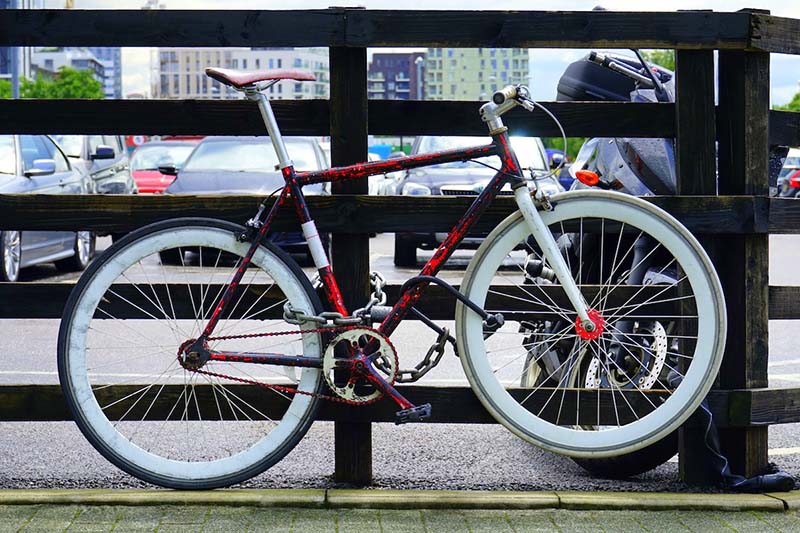
    Bicycle

    Frequently Asked Questions (FAQs)

    How often should I lubricate my bike chain?

    The lubrication frequency relies on various factors, including riding conditions, weather, and mileage. Generally, it’s suggested to lubricate your bike chain every 100-200 miles or whenever you observe signs of dryness or increased friction. 

    Can I use WD-40 as a bike lubricant?

    While WD-40 can function as a temporary lubricant or cleaning agent, it isn’t designed for long-lasting lubrication. It tends to attract dirt and can accelerate chain wear. It’s more advisable to use a lubricant specially formulated for bicycles.

    Should I apply lubricant to other parts of my bike?

    While the chain is the primary focus for lubrication, it’s also helpful to apply a minimal amount of lube to other moving parts like derailleurs, pivots, and cables. This practice aids in maintaining smooth operation and warding off corrosion.

    Should I clean my chain before applying a new lubricant?

    Absolutely, it’s crucial to thoroughly clean your chain before introducing a new lubricant. This ensures optimal adhesion and penetration of the lubricant, maximizing its efficacy and preventing dirt and grime accumulation.

    Conclusion

    Choosing and applying the appropriate bike lubricant is critical for preserving the performance and lifespan of your bike’s drivetrain.

    Regular cleaning and lubrication are essential in maintaining your bike’s performance and longevity, regardless of the lube type you select. Enjoy your cycling adventures with a well-lubricated.

  2. 6 ways to choose the perfect pair of cycling shorts

    Leave a Comment

    Many years ago, when I got into cycling, the best piece of advice I got about choosing shorts was: the more panels the better.

    It’s really quite sensible when you think about it. If a manufacturer uses just two pieces of Lycra, front and back, then those two panels will have their work cut out covering all the contours of the average cyclist’s legs and torso. You can see now why more panels make for better shorts.

    However, there’s more to choosing the right pair of shorts than simply going for the most panels.

    1. Getting the right length

    Let’s start with length. The most versatile shorts finish mid-thigh. This is also the most common length. Yes, every manufacturer’s idea of mid-thigh is different, but fortunately, the differences are usually marginal. You’ll really only notice if you shave your legs to suit the length of one pair of shorts and then find another pair are shorter.

    “A much better option for the cooler season is a pair of knickers.”

    This length is great for the summer and when combined with knee warmers can be ridden in through autumn and spring. However, a much better option for the cooler season is a pair of knickers. No, stop sniggering, not those sorts of knickers. In the strange world of cycling knickers is the name given to three-quarter length shorts. Rather than finishing mid-thigh, knickers stop mid-calf. If you ride in cold weather your knees will appreciate the extra protection offered by knickers.

    2. Types of gripper

    I’m just going to stay at the bottom end of the shorts for a moment longer. Despite Lycra being tight fitting, cycling shorts still make use of grippers around the bottom of the legs. The idea of grippers is to stop the shorts riding up and bunching, and believe me you don’t want that.

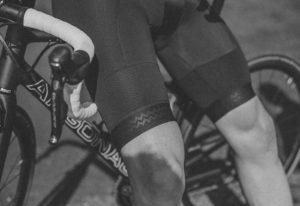
    Isadore bibshorts - grippers

    Unsurprisingly, different manufacturers have different ideas about what works best in the gripper department.

    The most common type is a simple elastic strip along the inside of the seam. While it works, it can sometimes feel as though you’ve got an elastic band around each leg.

    The next step up is a silicone strip. It’s not as constrictive as elastic but it can, especially on cheaper shorts, feel like you’ve got pieces of sticky tape in your shorts.

    Better quality shorts will still use silicone but in ways that are much more leg friendly. An example is where the lower five centimetres or so of the leg is covered internally with little silicone dots, eg RedWhite’s The BIBS.

    With the real high-end brands, you often see the company’s name or logo in silicone acting as the gripper. Isadore is one of the companies that does this. The smaller surface area of dots and logos means that they remove that strip-of-tape feeling.

    3. Style of shorts

    Moving up a bit and there are yet more decisions to make on the style of your shorts. Regular or bib? If you’re unsure what I’m talking about, bib shorts are basically normal shorts with built-in braces. Both types have their pros and cons.

    Wearing a regular pair of shorts makes taking a comfort break a fairly straightforward affair. I don’t really need to go into detail here, do I? The same cannot be said for bibs. I’ll leave you to think about that one for a moment.

    While normal shorts are convenient, some riders don’t like them, as the elasticated waist can feel uncomfortable when bent over on the bike. Due to the cut of bibs, this is never an issue – there’s no elasticated waist to dig into you.

    bib-short-on-pro-climber

    Decent bibs will also help keep your back free from drafts when the weather turns cool. It’s also worth noting that when you watch the pros riding the climbs in hot weather with their jerseys open, they’ll frequently be wearing bibs. If they’re good enough for them, they’re good enough for me.

    4. Chamois and padding

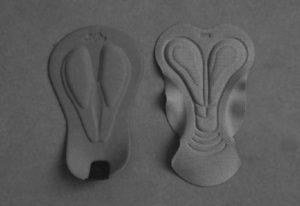
    However, the thing that is going to make the biggest difference to your ride is the padded inserts inside your shorts. Commonly known as a chamois, because traditionally they were made from chamois leather, inserts have come a long way in recent years and for that you should be grateful.

    RedWhite bibshorts chamois

    Shorts that still use a ‘real’ chamois are almost non-existent, partly due to cost but more because they needed so much care. Because they used leather you couldn’t just throw old style cycling shorts in the washing machine and forget about them. Oh no, they had to be hand washed, dried carefully and then treated to a dollop of chamois cream. Failure to do any of that would result in shorts with what felt like a piece of stiff cardboard in them caressing your nether regions. Don’t ask how I know, just accept my wisdom, okay.

    Given that modern chamois are synthetic they don’t need any conditioning. Most hardcore riders instead use chamois cream to soothe their nether regions on long rides rather than to condition the chamois in their shorts.

    The big differences in modern inserts are mainly thickness and shape. Once again much of this simply comes down to personal preference.

    However, to simplify matters if you’re planning on doing a few century rides a thicker, wider insert, which will at first feel uncomfortable will come into its own as the miles rack up.

    5. Designs for women

    It’s also worth noting that the cut and pattern of inserts for male and female rider’s shorts is different, as is the general shape of the shorts.

    When it comes to women’s bib shorts, the placement of the bib sections can make or break the comfort of the shorts. I have it on very good authority that having your nipples constantly rubbed by the bibs on a pair of shorts starts out irritating and soon becomes unbearable. For this reason, well thought out, properly designed, high-end women’s bib shorts will often feature a single central bib at the front that splits into two at the top of the sternum before becoming the normal two straps over the shoulders just like the T.laalalaishorts_s7 women’s bibshorts by ASSOS.

    6. Technical materials

    The last thing to think about is the weight and thickness of the materials used in your shorts. For most shorts, you’ll find they’re made from some kind of Lycra mix. What varies is the thickness or weight of the material. The usual rule is that more expensive shorts use thicker material.

    The very thickest is known as Roubaix. As well as being heavier weight, the tighter weave of the material helps cut down on wind chill. The fleecy feel on the inside of the material makes it a popular choice for cycling knickers and winter cycling tights.

    “‘Coldblack’ is said to keep you nine degrees cooler than untreated Lycra in direct sunshine.”

    What about in summer time? Well, you can still wear your premium quality, heavyweight Lycra shorts because switched-on short makers are now frequently using a coating on the outside of their shorts called Coldblack. This treatment is said to keep you up to nine degrees centigrade cooler than untreated black Lycra shorts in direct sunshine.

    If you want to see for yourself, try a pair of Nth Series bib shorts from Morvelo.

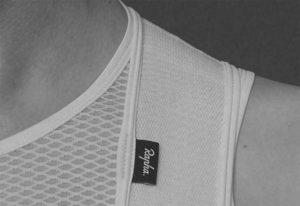
    Now just to complicate your buying decision even further, if you’re buying bib shorts you have to think about the bib material too. Once upon a time the bibs were simply made from the same material as the rest of the shorts. Makes sense really, doesn’t it? However, what with the boom in cycling holidays (and global warming) people are riding in warmer conditions and complaining about being too hot in bibs. To counter this there are now bib shorts where the upper sections are made of mesh materials or a lighter weight Lycra.

    rapha-mesh-bib-short

    While you’ve been doing your research into cycling kit, you’ll no doubt of heard of the term wicking. Basically, this means that the material used in the clothing is designed to draw sweat away from your skin to the outside of the fabric where it can easily evaporate. While this is commonplace in cycling jerseys it’s seen that often in bib shorts, where mesh panel allow sweat to easily escape. That’s not to say wicking bib shorts aren’t available. Try the Team Sky Replica Bib Shorts from Rapha.

    Ready to roll

    Now you should be a bit better equipped to make the right decision for your next pair of shorts. No more chafing, chills or bunching. So what are you waiting for? Why not have a look through some of the brands on Bike Clothes to get some inspiration for your next purchase.

  3. 26 Inch Bike For What Size Person?[Exact Bike Size With Charts]

    Leave a Comment

    Are you purchasing a bike for the first time? Or you are just fed up with your old bike? If so, you might need to consider the right bike size before purchasing a new one. The 26-inch bike has gained much popularity in recent years, and every cycling enthusiast wants to know about it. In fact, these bikes are perfect in durability, speed, and stability.

    If you are a newbie with the least knowledge of bikes and want to know about a 26-inch bike for what size person, here’s the short answer. Basically, 26-inch is the size of the wheel, not the bicycle. A 26-inch wheel bike is for a person with a height between 5 and 6 feet. You should purchase a bike with larger wheels and more length space if you’re taller than 5’7.

    Internet is flooded with queries related to a 26-inch bike. Finally, we’ve decided to cover all the answers of the 26-inch bikes for what size person in this post. So, read it till the end if you want to choose the right bicycle size.

    What Is A 26-Inch Bike?

    If you buy a bicycle from a local market, you can check it from every aspect. You can ride on it and decide whether it suits you or not. In the case of an online purchase, the size 26-inches is confusing for newbies. Therefore, it is crucial to know what a 26-inch bike means.

    Before heading towards the bike size chart, let’s clear what does a 26-inch bike means? The 26-inch bike is a mountain bicycle, and 26 inches is the internal diameter of its wheels. Most people use measurements like 24 inches or 26 inches while talking about bikes and their size. The average American men’s frame is between 20 to 24 inches, and the women’s frame is 22 to 23 inches. The 26-inch bike is suitable for many new biking enthusiasts because it is easy to ride on and control.

    The wheel size of a bike matters a lot while purchasing. But this is not the only thing to consider; the frame size, handlebar, and seat position are equally important when choosing the right bike.

    What Size Person Is 26 Inch Bike For?

    Firstly, let’s answer one of the most frequently asked questions that 26-inch bike for what size person?  Typically, bikes with wheels of 26 inches diameter are for 5 feet to nearly six feet tall person. If you’re taller than 6, purchase a bike with 700c, 27.5-inch, or 29-inch wheels. Here, the 700c stands for the wheel diameter.

    How To Determine The Right Bike Size?

    If you buy a cycle from a local market, you can check it from every aspect. You can ride on it and decide whether it suits you or not. In the case of an online purchase, the mentioned size 26-inches is confusing for newbies. Therefore, it is crucial to know how to determine the right bike size.

    To determine the bike size, you’ll need to measure your height or inseam length(the length of the inside of your leg) and then compare it with the bike frame or wheel size mentioned in the product features.

    In the first method, measure your height from head to foot by standing straight. Now take the inseam length by measuring the inside of your leg. Compare both measurements with the bike frame size. The bike’s frame size is the length of the seat tube from the bottom to the top.

    The second method of determining the bike size includes comparing the rider’s height or inseam with the tire size.

    Here’s a table comparing a person’s height and inseam length to the bike frame and wheel size.

    Height(Feet/Inches) Inseam Length(Inches) Mountain Bike Frame Size (Inches) Mountain Bike Wheel Size (Inches)
    4’10 – 5’3″ 25 – 28″ 13 – 14″ 26’’
    5’4 “- 5’7” 25 – 30″ 15 – 16″ 26’’
    5’5″ – 5’9″ 26 – 31″ 16 – 17″ 27.5’’
    5’9″ – 6’0″ 27 – 32″ 17 – 18″ 27.5’’
    6’0″ – 6’3″ 28 – 33″ 18 – 19″ 29’’
    6’1″ – 6’6″ 29 – 34″ 19″ + 29’’

    Is 26 Inch Wheel Bike For Adults?

    The 26-inch wheel bike is for adults or not; it depends on the rider’s height and weight. Mostly, these bikes are designed for teens aged 13 or more and 5 to 6 feet tall. Even a person taller than 4’11’’ can also use the 26-inch bike. But this bike is slightly smaller for adults taller than 5’8’’ and more.

    If you’re 5’5’’ to 6’0’’ tall, it is recommended to select a 27.5-inch bike instead of a 26-inch bike. Also, the wheel diameter between 26-29 inches is suitable for adults. Plus, sitting on a smaller bike frame will be uncomfortable for taller riders. Therefore, they need a bike larger(50 to 52) than the standard frame size. A maximum seat height is another essential factor that a taller biker should consider since it helps maintain good control.

    Weight is another factor determining whether a 26-inch bike is for adults or not. Almost all adult bicycles can carry a person weighing 68 kg to 90 kg.

    What Age Is 26 Inch Bike For?

    Age is not the priority factor other than height and weight in determining the exact person size for a 26-inch bike. However, a 26-inch bike is typically designed for teens of 11-13years or more with a height 4’10 to 5’7”. For instance, if your kid has outgrown his 20-inch bicycle, a 26-inch bike will be perfect for him. Plus, it is more stable and durable than the 24-inch variety.

    The table below will guide you on the bike wheel size, depending on the age.

    Age(Years) Height(Inches) Inseam(Inches) Wheel Size(Inches)
    2 2’9″ – 3’1″ 12″ – 14″ 10″
    3-4 3’1″ – 3’3″ 14″-17″ 12’’
    4-5 3’3″ – 3’7″ 16″-20″ 14’’
    5-6 3’7″ – 3-8″ 18″-22″ 16’’
    6-8 3’8″ – 4’0″ 20″-24″ 18’’
    7-9 4’0″ – 4’5″ 22″-25″ 20’’
    9-11 4’5″ – 4’9″ 24″-28″ 24’’
    11-14 5’+ 28″+ 26’’

    26 Inch Bike For What Height?

    The 26-inch bike is for kids or adults with a height between five to 6 feet. Maybe, it is a good fit for you even if you’re taller. The only way to check if it suits you or not is to ride on it.

    The best way to check if a bike fits you or not is to measure your height and inseam length. Then, compare the values with the manufacturers’ sizing chart. Typically, the height of a 26-inch bicycle is 17 inches, while an average man is 5’9” tall. Therefore, if a taller man rides a 26-inch bike, he is more likely to experience knee pain.

    26 Inch Bike For What Size Person In cm?

    The 26-inch bike is designed for 147cm to 170cm tall people. Similarly, you should have an inseam length of 62cm to 72cm if you want to purchase a 26-inch bike.

    The person height chart in centimeters suitable for a 26-inch bike is mentioned below;

    Height(cm) Leg Inseam(cm) Bike frame size Bike wheel size
    147-160 62-70 13-14’’ 26’’
    160-170 63-76 15-16’’ 26’’
    165-175 66-78 16–17’’ 27.5’’
    175-183 68-81 17-18’’ 27.5’’
    183-190 71-83 18-19’’ 29’’
    190-200 73-86 19+ 29’’

    How To Select The Right Bike Size?

    Before buying any bicycle, you should visit the local market and try a test ride on your favorite model. To see whether it fits your body or not, consider these points.
    • Make sure to select the seat position that suits you.
    • Your feet should easily touch the ground while you sit on the seat.
    • Your hands and wrists should comfortably hold the handle without any pressure. Also, The handlebar should be adjustable.
    • Ensure to check gender preference before purchasing a bike. Some frame sizes are suitable for female riders, while others are for males.
    • If you stand on the seat with your feet touching the ground, the gap between your crotch and bicycle frame should not be more than 1 inch.
    • When holding the handle, your elbow should make a 90-degree angle.
    • Pedals should not hurt your feet.

    If you are between 4’6’’ to 5’8’’ tall, a 24-inch bike will be a good fit for you. A bicycle will be a good fit for you if your legs reach halfway to the point where the peddles are attached.

    Conclusion

    Hopefully, you get the answer for “26-inch bike for what size person. The 26-inch bike is for you if you are 4’10 to 5’7’’ in height and 150 to 200 pounds in weight. If you are taller, purchase a bike with a larger wheel diameter.

    Check out the bike size charts mentioned in the post and select the right bike size. If you want to buy a bike online, it is better to visit a local market and test a suitable bike ride. Plus, never choose a cycle based on its fancy appearance. Consider all the factors, including your height and bike frame size. After knowing what size fits you, you can order online.

  4. Design classic: RedWhite’s ‘the BIB’ bibshorts

    Leave a Comment

    Pros

    • Well thought-out insert
    • Good cut
    • Comfortable leg grippers

    Cons

    • Only one colour
    • Cost can be expensive if you don’t get a good exchange rate

    Style

    When it comes to Lycra bib shorts, style’s not really the issue. It’s usually the jerseys that do all the talking. However, the RedWhite branding on the right leg looks good and the red bib section provides a nice contrast to the black of the short’s legs.

    8 out of 10

    Comfort

    Ask 100 people for their opinion on how a pair of bib shorts fit and you’ll get 100 different answers. A lot depends on if the cut matches your body shape. I have a long torso, which can prove troublesome when choosing bib shorts, but the BIB fit me just fine.

    I’ll admit I wasn’t sure which size to order but the quick responses from RedWhite’s customer service team soon put my mind at rest. They know their product and sizes really well.

    RedWhite bibshorts - chamois

    “While the insert initially feels very bulky, after several hours in the saddle I didn’t even notice it.”

    Most important on a pair of bib shorts designed for long-distance riding is the comfort of the padded insert. RedWhite have done a great job here. Included with the shorts was a small card advising me to soak them in cold water overnight. Apparently, this makes it easier to break the insert in. All I know is that while the insert initially feels very bulky, after several hours in the saddle I didn’t even notice it.

    9 out of 10

    Performance

    A good pair of bib shorts is a fabulous thing. But what makes a good pair of bib shorts? Fit, obviously, and comfort too, but also how it feels in the saddle. The BIB performs well. The bib section of the shorts is a lightweight mesh, which means even on hot days you never get so hot as to be uncomfortable.

    RedWhite cycling kit the BIB bib shorts - front

    Now, back to that insert. It’s made from multiple sections that are sculpted and shaped into one piece through ‘thermal moulding’. This process ensures none of the materials involved are stressed or lose shape – even after many rides, and many washes.

    9 out of 10

    Technical details

    Speaking to the team at RedWhite, I discovered they use 220gsm Lycra to make the BIB. They chose this weight rather than the more usual 300gsm as it’s cooler but still wicks sweat away. Apparently, the only downside is that it can’t be printed on, which explains the minimalist branding.

    It is also worth noting that the six panels used to make the legs are positioned so there are no seams on the insides. This might not sound like much but it removes more potential irritation for the long-distance rider and shows how much thought RedWhite have put into the BIB.

    RedWhite cycling kit the BIB bib shorts - full

    Another detail sets the BIB apart from many of its rivals: leg grippers. Nothing worse than bib shorts that either won’t hold their position or cut into the legs. RedWhite has taken the unusual approach of replacing the normal strip of silicone with a 7cm band of polyester and elastane material coated on the inside with silicone microdots at the bottom of each leg. These shorts don’t ride up while I’m riding but nor do they feel like they’re cutting off my blood circulation. Why can’t more shorts be like these?

    10 out of 10

    Aftercare

    Machine wash the shorts 30 degrees. After many washes, they still look as good as when they arrived – the colours haven’t faded and none of the stitching has worked loose. Even the insert has remained supple and flexible.

    10 out of 10

    Customer service

    RedWhite might be based in the East but don’t let that put you off buying direct. Any questions you have about either the BIB or their RACE shorts will be answered quickly – and possibly by one of the company founders too.

    RedWhite offers a crash replacement policy. Hit the deck while wearing a pair of their shorts you can show them evidence of the damage to your shorts (and any injuries) to work out a discount on a new pair. I can’t comment on how well this works as I’ve not yet had any reason to put it to the test, but my previous experience with RedWhite suggests it’ll be a trouble-free experience.

    10 out of 10

    Value for money

    There’s no denying that RedWhite’s the BIB is expensive – but that’s true of all high-end bib shorts. The question is do they compare to premium brands? I think so. They’re extremely comfortable, there are a lot of clever design touches, and the customer service is among the best I’ve ever received. The only thing to look out for are fluctuations in the exchange rate that can affect the cost of the shorts.

    10 out of 10

    Overall

    Cycling shorts are a very personal thing, but for me RedWhite’s the BIB are among the best bib shorts I’ve ever worn. Henry Royce, the founder or Rolls Royce once said “the quality is remembered long after the cost is forgotten”. This phrase is true for some premium cycling kit, and it’s certainly true for RedWhite’s BIB.

    10 out of 10

    Where to get it

    Visit the RedWhite website to see all their kit.

    Check out our RedWhite page to see a list of international dealers.

  5. Design classic kit review: the Vulpine Harrington jacket

    Leave a Comment

    With the aim of bringing a traditional, tailored feel to the world of cycling apparel, Vulpine consider this to be one of its staple and essential pieces, designed to suit everyone and every style of riding.

    Bike Clothes’ Amy Tocknell put the petrol-coloured women’s jacket through its paces on a 100-mile day in the saddle.

    Pros

    • Properly cut and designed for women’s bodies
    • Easy to care for
    • Looks great on or off the bike

    Cons

    • Limited colour options
    • At £195, it’s not the cheapest cycling jacket on the market

    “This isn’t just a smaller version of a men’s jacket – it feels perfectly cut for women.”

    Style

    The Harrington harks back to traditional tailoring and is designed to be a key piece for both on and off the bike. You can see and feel that a lot of time went into its styling. The curved lines and back vent give this a classic Mackintosh look, but in a practical length, and in two attractive colourways.

    This isn’t just a smaller version of a men’s jacket either, as it feels perfectly cut for women.

    8 out of 10

    Comfort

    The crux of the matter with women’s cycling apparel is usually fit and I had no problems with the Harrington. The cut is a little closer than standard outdoor coats, but it fits in all the right places, thanks to the adjustable waist.

    The collar wasn’t so high as to feel choking, and there was a comfortable amount of under-arm room.

    vulpine-on-bike

    Constructed from high quality ‘Epic Cotton’, the fabric is breathable, so no ‘boil in the bag’ concerns here. Plus the jacket sat comfortably over jeans, later in the day.

    The jacket was taken out on an unseasonably warm day, without a drop of rain, but it was still comfortable and airy enough for a full day’s riding. In cooler, wetter conditions, this would have felt like a godsend.

    9 out of 10

    Performance

    I felt well ventilated and comfortable on the bike all day. Unfortunately, I wasn’t able to test the jacket in the pouring rain, so the waterproof credentials of its ‘Epic Cotton’ went unsubstantiated. However, after some discussion, I agreed to have a glass of water thrown at me. Not entirely scientific, but I am quietly confident that I wouldn’t have returned home drenched, should the sky have opened up.

    Vulpine Harrington jacket 2

    I was also pleased to see that the fabric dried out quickly, suggesting there’s no soggy riding when it comes to the Harrington.

    7 out of 10 (only because untested in wet conditions)

    Technical details

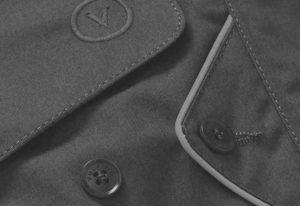
    The devil’s in the details and the Harrington has some lovely touches. My favourite is the subtle magnetic closures on the pockets and collar. They give a very satisfying snap when they close.

    Vulpine Harrington jacket 1

    The fleece-lined cuffs will be a welcome addition in winter, but for the perfect combination of style and function, the reflective waist adjuster tabs take the prize.

    8 out of 10

    Aftercare

    The Harrington is easy enough to wash: just pop it in your machine at 40 degrees. It needs no special waxes or products to re-waterproof the fabric. Apparently, it remains in tip-top condition for 200 machine washes.

    9 out of 10

    Customer service

    My jacket arrived promptly, two days after ordering, so you can’t say much fairer than that. Vulpine have a quibble-free return, exchange or refund policy and offer free returns postage within the UK.

    Also free is the Vulpine repairs service and, in a move that reaffirms the connection to classic tailoring, alterations are possible too. In effect, you have the opportunity to buy custom cycling apparel, off the peg.

    The customer service team are fast to respond and great to deal with. You may even find Nick, Vulpine’s owner, dealing with frontline queries.

    10 out of 10

    Value for money

    The Vulpine Harrington is not cheap – but it’s a classy, good-looking thing. And – with all the extra touches (waterproofing, ventilation, reflective strips, adjustable waist, off-the-bike wearability), it’s pretty good value for money. If more colours were available, I think we’d see many more cyclists making an investment.

    7.5 out of 10

    Overall

    An easy-to-wear, aesthetics-driven jacket, the Harrington doesn’t disappoint. There’s no compromise on performance for the sake of fancy branding or unnecessary accessories.

    Understated and gender-neutral, this is a piece of clothing that will quickly become an integral part of any rider’s kit, being grabbed before heading out of the door without a moment’s hesitation, whether it’s going for a short commute or a long, hard-going day in the saddle.

    9 out of 10

    Where to get it

    Visit the Vulpine online shop for:

  6. Demystifying the future of bike fashion

    Leave a Comment

    Summer in Manhattan: swarms of commuters hop on their bikes and take to the road. It’s an impressive sight – a complex and fragmented plethora of styles, attitudes and intentions. Whether it’s uber cool brands like Rapha, limited edition kits from Poseur Sport, urban threads from Chrome Industries or minimalist chic from Search and State, bikers flaunt their garb with confidence.

    On the other side of the pond in London it’s a similar scene.

    Road cycling has exploded in recent years. According to Transport for London, cycling is growing on average 10% per year in the city. In New York it’s 4%.

    With all that biking, comes a need for kit and plenty of uncharted market opportunities. But what are the priorities for this new wave of cyclists? Safety first? Style first? To demystify the future of bike fashion, we chatted to some of the movers and shakers in the industry to get a sense of what’s in, what’s out and what’s yet to come.

    The geek factor: technology to boost performance

    ‘Technical’ bike kit means clothing designed to improve the comfort and performance of your ride. That could mean helping you go faster, stay dryer, keep cooler.

    Search and State technical cycling kit - blog

    Ed Cowburn, Director of Milltag, a London design agency that creates bespoke performance cycle clothing for road cyclists, emphasises that bike fashion is, first and foremost, about technology:

    A lot of us cyclists like to geek out about technology and wear the same as the pros, so if there’s a fabric is 20% lighter than another then we can justify to ourselves that it is worth having.

    Milltag pride themselves in the highly technical material they use to manufacture their kit. Products like their Pro Jersey and Lightweight Hardshell Jacket are ergonomically designed to minimise drag and maximise aerodynamics. They cater for a discerning clientele who are principally looking for technical upgrades to improve their ride.

    “I’d say over the last year or two, we’ve been seeing more and more fairly serious riders moving towards technical clothing. Let’s consider the fixed gear scene in London over the decade. 10 years ago it was very ‘jeans and T-shirt’. Now the same guys are wanting skin suits.”

    “Ten years ago the fixed gear scene was very ‘jeans and T-shirt’. Now the same guys are wanting skin suits.”

    Co-Founder of design-savvy New York label Search and State, Daniel Goldman also emphasises how technical clothing is reaching into new areas of cycling:

    “The bikepacking craze [touring with all your camping kit on your bike] has certainly created a trend toward high-performance, lightweight, packable gear.”

    Offering a female perspective, founder of women’s cycling magazine Pretty Damned Fast, Anna Maria Diaz-Balart, told us:

    “Women are asking for performance. From technical fabrics, to the cut, to simply the number of pockets. I think tech is going to be a larger presence in female apparel in the next few years.

    For instance: women need special chamois that works to protect their bodies. They need wicking fibers and fabric that dries quickly. They want the legs of their shorts and bibs to stay in place without restrictive elastic bands that create uncomfortable ‘sausage legs’. They want apparel that doesn’t sag or bunch or chafe. They want bib shorts that allow them to use the bathroom. They want bib shorts with straps that accommodate busts of all sizes.”

    More kit for women: the rise and rise of ‘athleisure’

    Although the women’s bike fashion scene is still in its infancy, it’s on the rise. Increasingly women are demanding their own designs, not simply an adaption of a mens’ look or a scaled-down version of a men’s product.

    Machines for Freedom - cycling kit for women - blog

    Diaz-Balart has strong opinions on the subject:

    “Women want styles and prints that are consistent with general ready-to-wear fashion trends. Muted colors, sophisticated prints, flattering well-placed seams – all need to be present in women’s cycling gear. Garish combinations, princess artwork, looks that scream with hi-viz safety features do not appeal. Women do not want to leave style behind when they ride.”

    “Garish combinations, princess artwork, looks that scream with hi-viz safety features do not appeal.”

    It’s an opinion echoed by other pioneers in the field, including Jennifer Bandier, owner of the successful athleisure fashion store, Bandier:

    “People want to stand out and express themselves. You shouldn’t have to sacrifice personal style just because you’re at the gym.”

    Diaz-Balart adds:

    “Athleisure has truly opened the floodgates for people to pursue an active lifestyle 24/7 and look completely on-trend. I work as a stylist on photoshoots in New York and it’s been powerfully liberating to commute via bicycle and go directly onto a fashion set.”

    The rise in popularity of women’s active wear is changing the way designers think about technical clothing as well. Diaz-Balart says:

    “I think we will continue to see performance fabrics and functionality incorporated into more traditional street wear, ie denim, windbreakers and rain jackets, wicking base layers.”

    Express yourself: finding your own unique style

    Whether it’s bespoke or limited edition kits, more and more riders are looking for ways to express their personality on the bike.

    Milltag - bespoke cycling kit - blog

    Ed from Milltag says:

    “We see it with our customers. People are enjoying being more individual and wearing stuff that no one else has got. They are thinking about doing stuff for themselves, just for fun. Why spend 150 pounds on a jersey when you can get something completely unique at an amazing standard without spending that much more?”

    “Why spend 150 pounds on a jersey when you can get something completely unique without spending that much more?”

    Milltag is essentially offering just that: a chance for people to entirely customise their look, at virtually the same price.

    “Being individual will be a key thing in the next few years. We want that sense of individuality in how we live our lives. You can buy cars these days and change almost every element so that you can have something that is a little bit more unique. It’s the same with biking.”

    Daniel Goldman agrees:

    “The focus of cycling fashion is on individuality and having options. It’s pretty much the same as what is happening in sportswear and street fashion. People want to find unique things that not everyone else has and they want to attach themselves to brands that have good messages and legitimate stories to back up their products.”

    As cycling becomes synonymous with simply walking down the street, individual style is not only becoming more important, it is becoming a prerequisite.

    So what will 2020 look like?

    Well, in addition to all the above, we’re looking forward to these trends:

    • sensor-driven kit that can anticipate and adapt to a variety of biking conditions
    • minimalist, ‘invisible’ bike helmets that deploy only in an emergency
    • smart clothing that communicates performance data straight to your phone

    The future can’t come too soon!

Help us improve! Give us feedback.

Join us!

Discounts, vouchers, free kit and other good things!